
The Importance of Canine Vector-Borne Disease Screening With the Rise of Coinfection Rates
Canine vector-borne disease (CVBD) rates in Europe are rising, along with rates of coinfection. Factors such as climate change, Keep reading

Mar 17, 2025
Canine vector-borne disease (CVBD) rates in Europe are rising, along with rates of coinfection. Factors such as climate change, Keep reading

In many European countries, regular deworming of pets for intestinal worms is a common practice and helps to control a … Keep reading

Preventative care is a cornerstone of veterinary medicine, offering numerous benefits that go beyond a pet's immediate and daily … Keep reading

Routine faecal antigen testing plays a crucial role in ensuring the long-term health and well-being of pets. It allows … Keep reading

Canine vector-borne disease (CVBD) is becoming a significant threat in Europe, posing risks not only to pets but also … Keep reading

Veterinarians don't often have the opportunity to diagnose kidney disease in patients until after it becomes significantly advanced. Until recently, … Keep reading

Leishmania infantum (syn. L. chagasi) is the most prevalent protozoa species causing leishmaniosis in dogs and is highly endemic in … Keep reading

Routine deworming for intestinal worms in dogs without testing for faecal parasites is a popular choice among veterinary professionals across … Keep reading
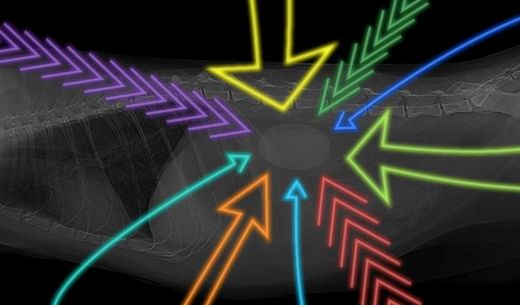
Kidney disease is one of the most common illnesses that veterinarians manage in cats and dogs. However, precursors to kidney … Keep reading

Kidney injury can occur due to a variety of causes and is common in pets, including cats and dogs. If … Keep reading

Routine treatment for intestinal worms without performing faecal testing alongside it is commonplace in many European countries. However, Keep reading

Feline leukemia virus (FeLV) is a common retrovirus in cats, and it has a reported incidence of between Keep reading