
How Motivational Counseling Enhances Pet Owner Compliance and Patient Outcomes
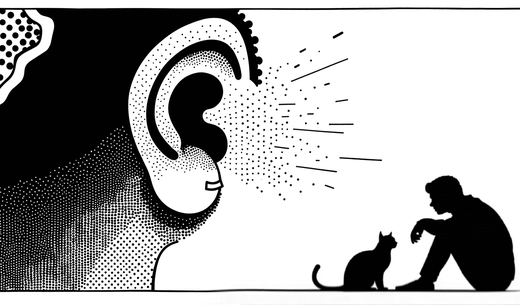
Due to time constraints and continual training, some veterinarians communicate in a hierarchical manner that's quick to drive agendas and … Keep reading

Jul 07, 2023
Due to time constraints and continual training, some veterinarians communicate in a hierarchical manner that's quick to drive agendas and … Keep reading

Workflow improvements can liberate your veterinary team from daily bottlenecks, increase operational efficiency, and unlock previously unrecognized pockets of … Keep reading

Wellness appointments are crucial to your veterinary business. But as important as these visits are, you likely have difficulty … Keep reading

As a veterinary professional, it can be easy to get caught up in the endless cycle of striving for perfection. … Keep reading

Your veterinary practice is likely busy as always, and you may feel strapped for time during wellness or new … Keep reading

As a veterinarian, you know that by performing vector-borne disease (VBD) testing at each wellness visit, more diseases can be … Keep reading

Kidney injury can occur due to a variety of causes and is common in pets, including cats and dogs. … Keep reading

What you say matters—as does how you say it.
In today's constantly connected world, you have many options … Keep reading

As a veterinarian, you know the importance of testing for fecal parasites in your patients. Regular fecal exams are one … Keep reading
Have you ever hesitated to recommend a preventive-care service or test because you fear you'll sound like a salesperson?
… Keep reading
As a veterinarian, you can't ask your patients how they're feeling or what symptoms they're experiencing—and although many owners … Keep reading

Stress management is now more crucial for veterinary professionals than ever. Without adequate coping skills, you may be unable … Keep reading